Olive Young at Sephora: The 19 K-Beauty Brands and How They Were Picked
By
Chloe Joung

Nineteen K-beauty brands selected by Olive Young reached US Sephora stores on 20 August 2026. It is the delivery of a partnership announced on 20 January, placing roughly 150 products across more than 500 stores at once, with a dedicated space at the Times Square flagship.
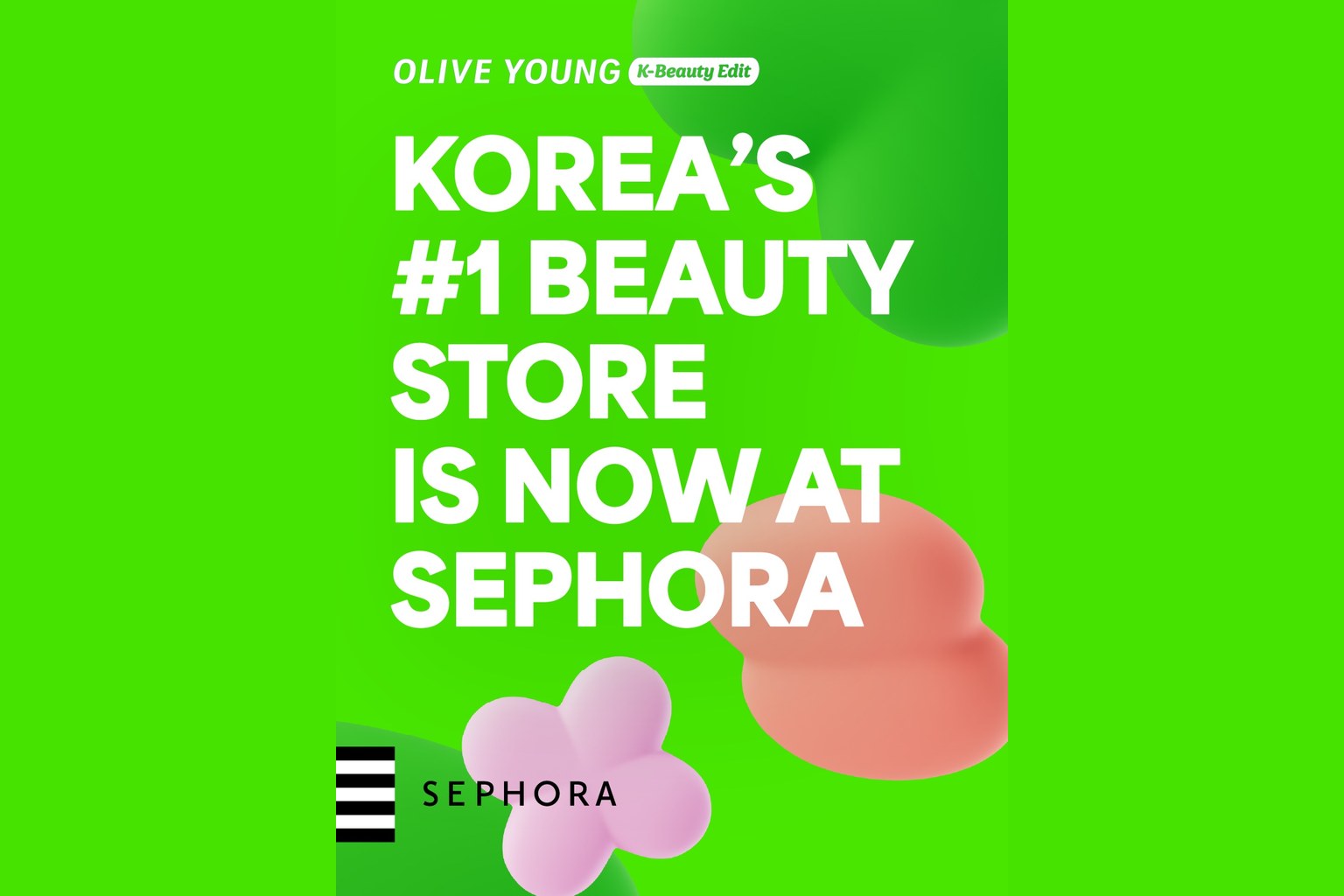
Image: Olive Young official Instagram (@oliveyoung.official)
The number matters less than who did the selecting and on what basis. This changes the route into US retail shelves.
Olive Young selected, not Sephora
The program is branded "OLIVE YOUNG-Curated K-Beauty." Sephora did not build a K-beauty aisle and screen applicants; it received a curated set. For brands, that moves the gate. Proving yourself in Korea now opens a path onto a US shelf.
The criteria were Korean performance
Olive Young cited product performance, consumer popularity, and trend leadership in South Korea. Not US sales history, not US awareness. Category ranking, repeat-purchase rate, and launch response at home became inputs to a US shelf decision.
The nineteen skew to skincare
Abib, Arencia, BANILA CO, beplain, BIOHEAL BOH, Cell Fusion C, FATION, FULLY, HEVEBLUE, make p:rem, ma:nyo, MENOKIN, REJURAN Cosmetics, S.NATURE, SUNGBOON EDITOR, THOME, Torriden, WELLAGE, WHIPPED. Most sit in skincare and derma; color is thin. Read against Sephora's existing strength in color, this curation fills the shelf where Sephora is weaker. A color brand passed over this round may be facing a merchandising fit problem rather than a product one.
Ulta's K-beauty program is structurally different
Ulta's "K-Beauty World," announced March 2026, runs through Landing International on Ulta Beauty Marketplace and expanded to seventeen brands by May. Marketplace listing and physical shelf placement demand different preparation — listing and fulfillment on one side, sell-through and store education on the other. Planning them as one "US retail entry" leaves both underprepared.
What a brand left out should build now
The assortment rotates semi-annually, so there is a next round. Three things carry: Korean performance documented in numbers, US demand evidence built in advance through creator content and online sales history, and a price structure that absorbs the 15% US tariff on Korean goods alongside retail margin and retailer marketing asks.

The market has already tilted
Korea's cosmetics exports reached $7.0 billion in the first half of 2026, up 27.3% year over year and a record, per the Ministry of Food and Drug Safety. The US took $1.45 billion of that — 20.7% of the total, up 41.5%, and the top destination for a second consecutive year.
Related: which channel to open first · running Amazon and TikTok Shop together · why 100 creators is not enough
Written by
Chloe Joung
CEO
Founder and CEO of BAZZAAL, with a career dedicated to bringing global beauty brands into the US market — from beauty retail to influencer marketing, social strategy, and community-driven growth.
Connect on LinkedIn
Planning your US launch?
BAZZAAL runs creator seeding, TikTok Shop, and paid campaigns for K-beauty brands entering the US — from Los Angeles, in Korean-company workflows.
Subscribe to STATESIDE
Weekly US K-beauty intelligence, from our team on the ground in LA.


