What Creator Seeding Actually Costs: A Budget Model for K-Beauty Brands

By
Yong Suk Choi

Seeding gets budgeted as the cost of giving product away. That framing is why so many first programs underperform. Product turns out to be the cheapest line in the model, and the lines that actually decide whether anything gets posted are the ones that get cut.
Here is the full cost structure, line by line.
1. Product cost — the line everyone budgets
Cost of goods on the units you ship, at manufacturing cost rather than retail. For most K-beauty skincare this is the cheapest part of the program by a wide margin, which makes it a poor basis for sizing anything. A brand that models seeding as "500 units × COGS" has budgeted maybe a quarter of what the program needs.
One constraint to check before you count units: expiration dating. US platforms enforce remaining shelf life, and older domestic stock that looks like ideal seeding inventory frequently fails that test.
2. Shipping and fulfillment — the line that surprises
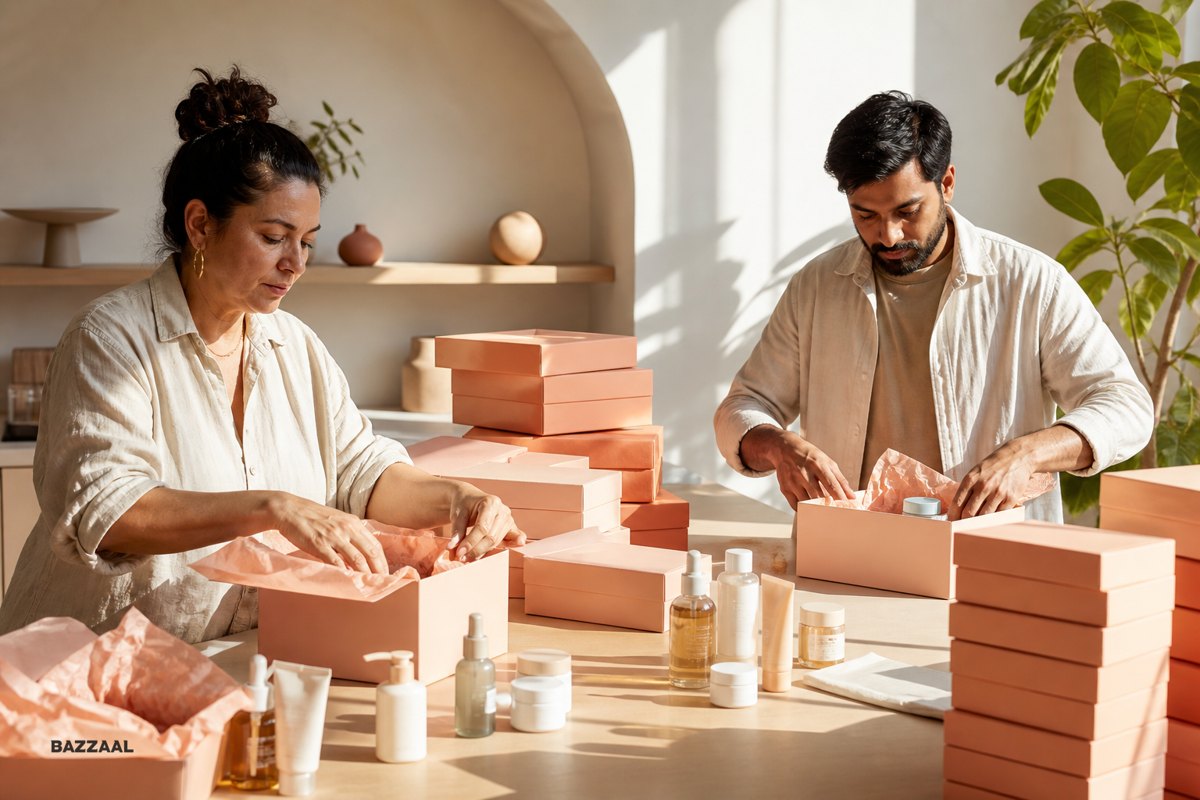
Domestic US parcel shipping to hundreds of individual addresses, plus the pick-and-pack labor behind it, plus the PR packaging if you want the unboxing to be worth filming. Per creator, this routinely exceeds product cost.
It carries a hidden failure mode too. Shipping from Korea to individual US creators is slow enough that momentum dies in transit while customs paperwork multiplies. US-side inventory is what makes the timeline work at all.
3. Curation — the line that determines everything downstream
Finding creators whose audience genuinely overlaps your category, verifying that their engagement is real, and confirming they are not currently under contract with a competitor. This is human work, and it carries the highest leverage of any spend in the model.
Skip it and you get the classic failure: hundreds of units shipped, a handful of posts, and no way to tell whether the product or the targeting was wrong.

4. Follow-through — the line that gets cut first
A shipment only becomes a post if someone works the gap between them: confirmation, briefing, reminder cadence, answering creator questions, tracking what actually went live. Seeding programs get judged on posted content, and this line item is what produces it.
When brands report disappointing seeding results, this is almost always the line that went unstaffed. The product and the creator list usually check out fine.
5. Amplification — the optional line that changes the math
Some share of seeded content will outperform the rest by a wide margin. Putting paid spend behind those specific posts is generally the most efficient beauty media you can buy, because you are amplifying content that already proved itself on an organic audience.
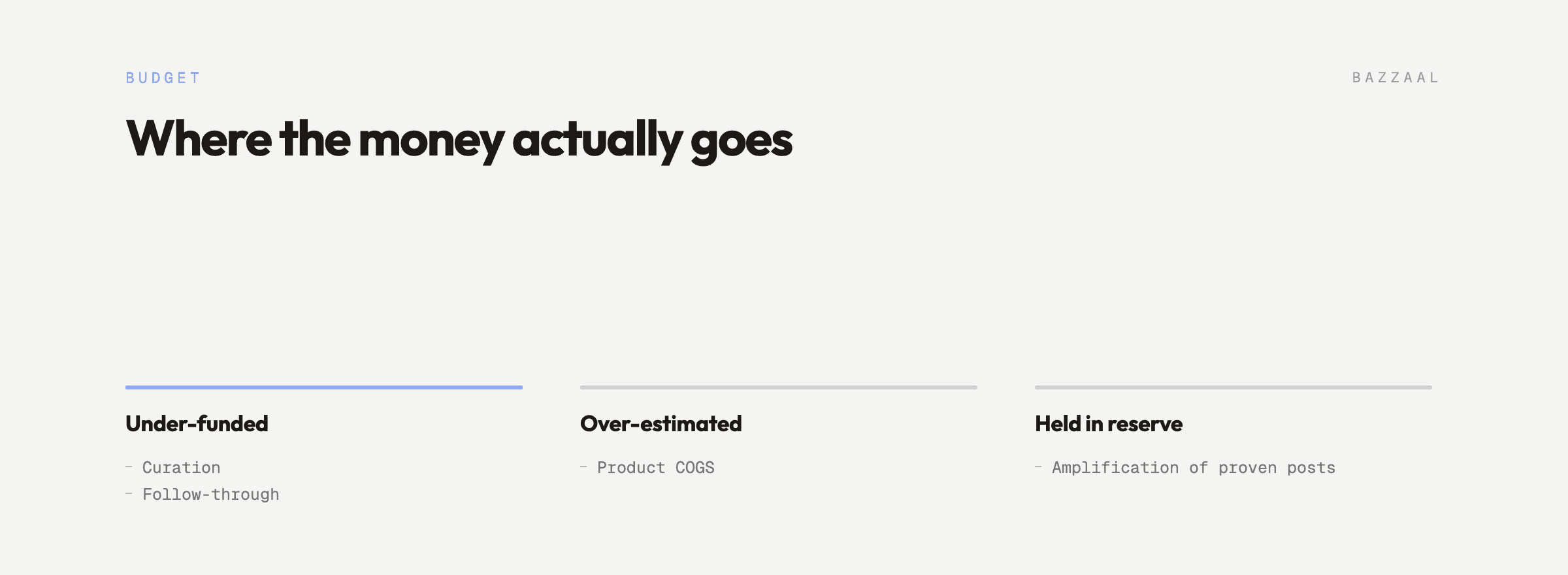
Hold this as a reserve rather than a fixed allocation. You cannot know in advance which posts deserve it, and committing the money up front throws away the only real advantage of the approach.
How to size a first program
Work backwards from posted content. Decide how many pieces of usable content you need, apply a realistic conversion rate from shipment to post, and size the shipment count from there. Then fund curation and follow-through properly, because those two lines are what move that conversion rate.
A program with fewer creators and full follow-through beats a larger program without it, at a lower total cost. The genuinely expensive version of seeding is the one where product ships and nothing comes back.
BAZZAAL runs creator seeding for K-beauty brands entering the US, with US-side inventory and creator relationships in Los Angeles.
Related: what each creator tier actually buys · why creators turn brands down · setting up TikTok Shop in the US
Written by
Yong Suk Choi
Chief Business Officer
Chief Business Officer at BAZZAAL. 15+ years of zero-to-one go-to-market execution across Korean and US markets, now leading growth for K-beauty brands entering the US from Los Angeles and Seoul.
Connect on LinkedIn
Planning your US launch?
BAZZAAL runs creator seeding, TikTok Shop, and paid campaigns for K-beauty brands entering the US — from Los Angeles, in Korean-company workflows.
Subscribe to STATESIDE
Weekly US K-beauty intelligence, from our team on the ground in LA.


