Market size, where K-beauty companies operate, how Olive Young, Sephora and Ulta pick brands, and the early signals that a US launch is stalling. Start here before choosing a channel.
Explore other topics

Commentary
4 min
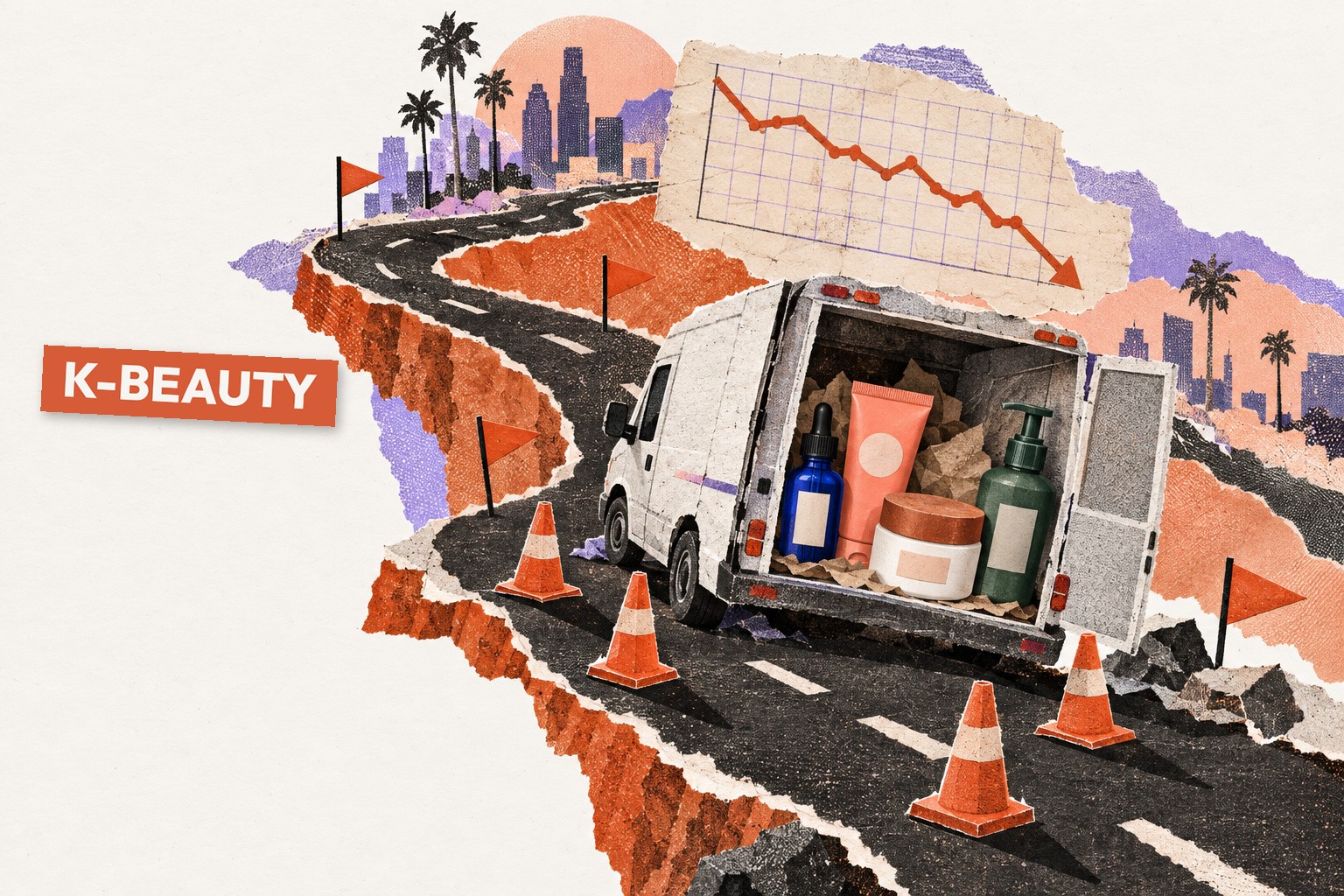
Four Ways K-Beauty Brands Stall in the US, and the Early Signals

By
Yong Suk Choi

Retail
4 min
Sephora and Ulta: Your First Six Months After Landing

By
Chloe Joung

Retail
5 min
Olive Young at Sephora: The 19 K-Beauty Brands and How They Were Picked
By
Chloe Joung

Playbook
2 min
Where K-Beauty Actually Operates in the US: A City-by-City Map
By
Chloe Joung

Commentary
6 min
K-Beauty Is Becoming a Marketing Category, Not a Country of Origin
By
Yong Suk Choi

Commentary
2 min
What Olive Young's LA Beachhead Means for K-Beauty Brands
By
Yong Suk Choi

Playbook
3 min
How K-Beauty Brands Enter the US Market: The 2026 Playbook
By
Yong Suk Choi
Questions brands ask
How do K-beauty brands enter the US market?
In five stages: localize the story for US shoppers, seed creators for organic proof, then build channels and retail on top of that proof. The US took $1.45 billion of Korean beauty exports in the first half of 2026. The playbook is in how K-beauty brands enter the US market.
Why do K-beauty brands stall after launching in the US?
In the same four places: nobody knows the brand, retail wants local proof first, paid media cannot build awareness from zero, and the agency setup fights how a Korean company works. Each shows early signals weeks ahead. See four ways K-beauty brands stall.
What happens after a brand lands at Sephora or Ulta?
The six months after placement decide the re-order. Plan for sell-through defense, review velocity per channel and the retailer marketing asks that arrive after launch. More in your first six months at Sephora and Ulta.
Subscribe to STATESIDE
Weekly US K-beauty intelligence, from our team on the ground in LA.
